

Plan reusable creative assets before production, so one project can support several thoughtful stories.
A production day or live event can create…
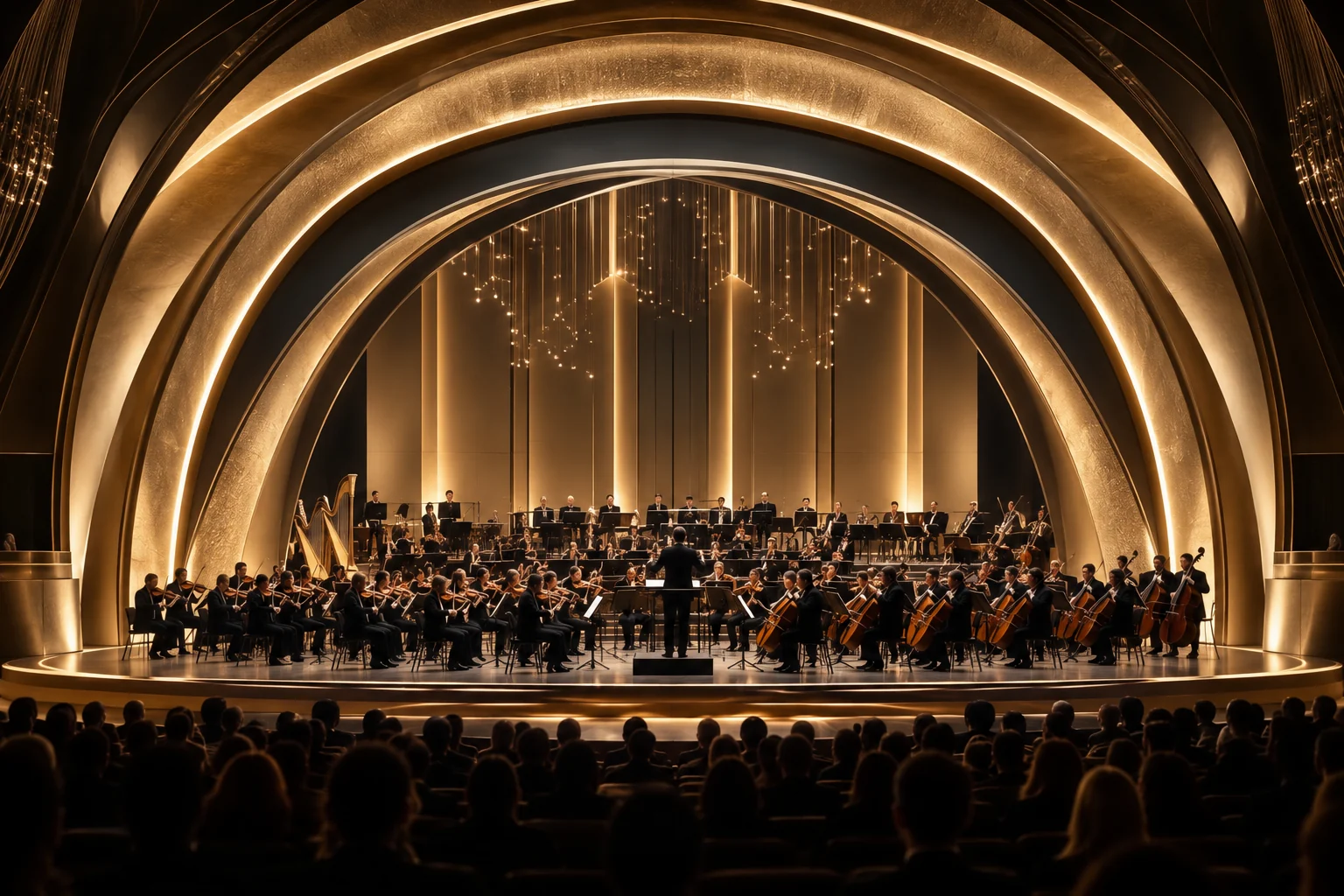
A production day or live event can create more than its main deliverable. Interviews, behind-the-scenes material, still photography, short excerpts and written insights can continue the story afterwards. The opportunity is easiest to use when these assets are planned before the cameras arrive.
Begin with the primary work. Additional content should…
Begin with the primary work. Additional content should support it rather than interrupt it. Identify the moments that can be captured naturally, the people who can contribute and the formats that have a clear audience. A focused shortlist is more useful than recording everything without an editorial purpose.
Agree permissions at the same time as the…
Agree permissions at the same time as the production plan. Contributor consent, music rights, location restrictions and the terms of a talent appearance can affect whether material may be reused. A visually strong clip is not a usable communication asset if its intended publication falls outside the agreed rights.
Consider how formats differ. A wide frame may…
Consider how formats differ. A wide frame may work beautifully in a film while offering little room for a vertical crop. An interview recorded in a noisy venue may need a quieter secondary setup. Captions, clean audio and space for graphics can make a short version accessible without changing the main creative direction.
After production, organise the material around its meaning.…
After production, organise the material around its meaning. Name files clearly, record rights and approvals, and keep an editable master alongside delivery versions. The archive should let someone understand what an asset contains and how it may be used without relying on the memory of the original team.
Publish selectively. A film excerpt can explain an…
Publish selectively. A film excerpt can explain an idea, a photograph can preserve a moment and a written reflection can add context. Each should bring something useful to its audience. Planning for continuity gives the original project a longer life while protecting the quality and purpose of the work.
Think of the archive as part of production.…
Think of the archive as part of production. Useful notes about contributors, subjects, timecodes and permitted uses should be captured while the work is fresh. Those notes help future editors understand the material and reduce the risk of reusing a clip outside its agreed context.
Reuse should still be editorially considered. A short…
Reuse should still be editorially considered. A short excerpt needs enough context to stand on its own, and a still photograph should be captioned for its new purpose. The aim is to extend the story responsibly, not to fill channels with assets simply because they are available.
Suggest a correction
Spot an inaccurate fact or outdated detail? Send it to the editorial team for review.
Sign in to suggest a correction