
Awards & Entertainment
Awards nights, celebrity-led formats and entertainment programmes.
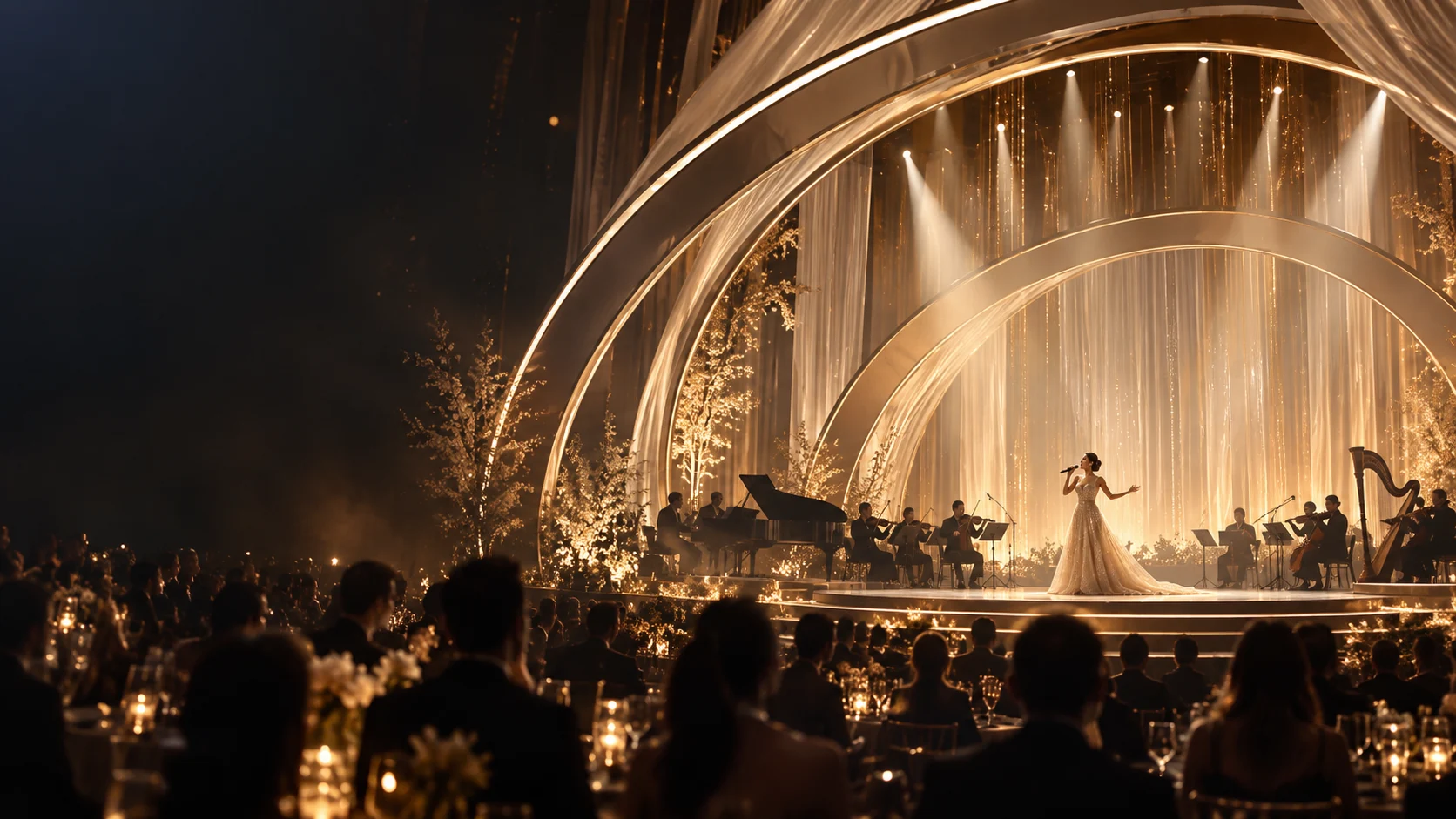
We create experiences, not just events.
An event is treated as a narrative in space: a central idea expressed through stage, programme, performers, movement, audience and memory.
Awards, concerts, festivals, conferences, conventions, masterclasses, youth programmes and cultural experiences designed around a strong central idea.
Awards nights, celebrity-led formats and entertainment programmes.
Sufi music, concerts, cultural festivals and artist-led experiences.
Seminars, conventions, summits, masterclasses and discussion platforms.
Festivals, workshops, campus programmes and awareness experiences.
Strategic experiences for organisations, institutions and public-sector programmes.
Concept, planning, vendors, production, run-of-show, execution and post-event reporting.
The scope is shaped around the audience, the brief and the outcome.
Agree the purpose, guests and emotional rhythm of the event. Connect the programme, venue and experience design around one idea.
Plan arrival, stage, sound, performers, transitions and hospitality as one sequence. Rehearse the moments that need coordination across teams.
Capture approved highlights, prepare useful follow-up communication and keep a record of what the audience experienced.
Awards & Entertainment, Music & Culture, Conferences & Knowledge, Youth & Education, Corporate & Institutional, End-to-End Production. The final deliverables are agreed in the brief.
Tell us the objective, audience, preferred format, location, timeline and budget context. Existing material helps us understand what is already in place.
They depend on the agreed deliverables, approvals, production needs and collaborators. A written scope should clarify responsibilities, stages and costs before work begins.
Yes. The brief can bring together production, experiences, media, distribution and digital support where each discipline has a clear purpose.
Awards, concerts, celebrity events, festivals, conferences, conventions and knowledge platforms.
Explore ↗A memorable event has a purpose that people can recognise from arrival to departure. We begin with the audience, the occasion and the desired experience. An awards night, cultural festival, conference, concert, celebrity programme or masterclass has its own expectations. The concept should explain why the audience is gathering and how the programme earns their time.
From that concept, we develop the sequence of moments: welcome, opening, transitions, performances or conversations, participation and closing. Stage, sound, screens, lighting, signage and hospitality support the same story. The strongest experience feels coherent even when many suppliers and production teams are working behind it.
Conceptualisation, planning, production and execution need to be coordinated. A promising stage idea must fit the venue, the available power, access windows, sightlines and audience movement. A programme must allow for rehearsals, changeovers and real travel times. We translate the creative direction into a production plan with responsibilities, approvals and practical dependencies.
Supplier briefs should describe the required outcome and technical details clearly. Confirmed plans are distinguished from options still under discussion. The run sheet records timings, cues, owners and fallbacks so the team can act on the same information. Significant changes are communicated to the people affected rather than staying inside one conversation.
The scope can cover awards, concerts, cultural festivals, conferences, conventions, corporate events, product launches, celebrity-led events, masterclasses, youth programmes and climate or environment summits. A knowledge platform may emphasise speakers and discussion. A concert may centre on performer requirements and audience energy. A youth programme may need facilitated participation and educational context.
The size of an event should follow its purpose and resources. An intimate discussion can create value with a thoughtful programme and clear follow-up. A large entertainment experience requires more coordination and technical planning. We define the scope specifically instead of assuming that every event needs the same production package.
Audience experience includes how people receive information, reach the venue, move through the space and find assistance. We discuss accessibility, language, arrival instructions, seating or standing arrangements and any participation requirements during planning. Where specialist permissions or venue procedures apply, responsibilities must be assigned and confirmed with the relevant parties.
Speakers, hosts and performers also need useful preparation. Briefing notes, call times, technical requirements and rehearsal arrangements help people contribute confidently. Celebrity involvement is subject to confirmed availability, permissions and an agreed engagement; a proposed name is never presented as a confirmed participant.
A live programme needs room for change. The production team should know what happens if a speaker is delayed, a cue fails, weather changes or the programme runs long. A sensible contingency is specific: who decides, what alternative is available and how the audience is informed. Event planning should make those decisions easier before the pressure of show time.
The final run sheet is a controlled working document. Each cue has an owner and a clear position in the programme. Rehearsal tests the transitions rather than merely reading the schedule aloud. The purpose is to make the audience experience feel natural while giving the team a reliable structure to deliver it.
Film, photography, interviews, media activity and digital content can extend an event if they are planned in advance. The production brief should specify what must be captured and where it will be used. A future highlight film needs purposeful coverage; a speaker feature needs clear sound; an impact report needs evidence rather than only atmosphere.
After the event, we review delivery against the agreed brief and prepare the relevant handover. This may include approved photographs, edited films, programme records and communication assets. Follow-up content should reflect what actually happened and respect participant permissions. Audience figures and outcomes are reported only where a credible record supports them.
Plan a corporate gathering around the decisions, relationships or learning it should support. Connect the agenda, speakers, guest journey and venue requirements with an accountable production plan. Agree registration arrangements, technical dependencies and the reporting needed after the event.
Introduce a product through a coordinated live or hybrid experience. Define the audience, demonstration requirements, key messages and launch timing. Link the reveal, staging, guest communications and media activity so approvals and practical dependencies are visible before suppliers are committed.
Develop a cultural programme with attention to context, contributors and audience experience. Identify the curatorial idea, performance formats, venue and access needs, then agree permissions and the production approach. Keep cultural representation and promotional claims grounded in the material and people actually involved.
Coordinate a live show across performers, stage production and audience operations. Establish the format, venue capacity, technical requirements, rehearsal time and running order. Use confirmed booking arrangements and a live run sheet, with an identified coordinator for changes on the day.
Bring technical and logistical event requirements into one delivery plan. Clarify staging, sound, lighting, screens, power, setup and removal, then identify the supplier and operator responsible for each dependency. Quotations should show quantities, operating periods and exclusions so proposals can be compared properly.
Tell us what you want to create and the outcome you want it to achieve.
Discuss this service →